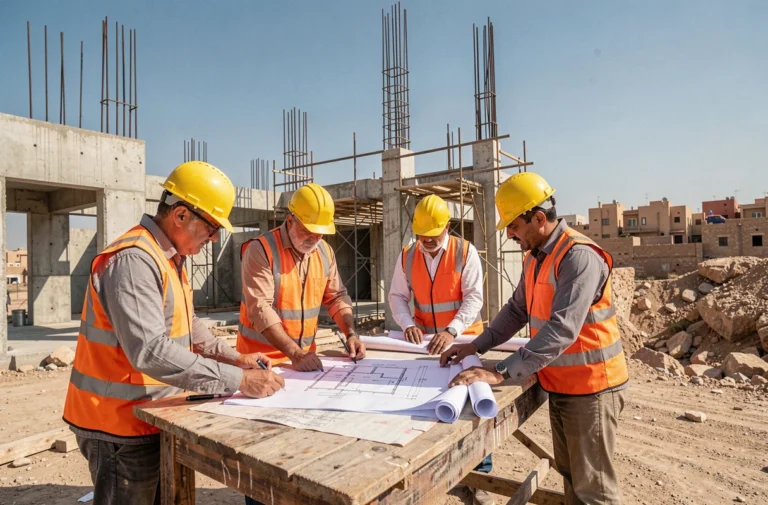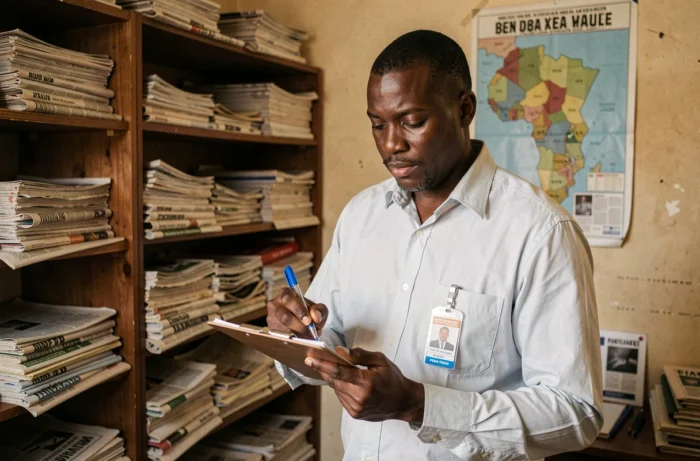
Burkina Faso is going through a phase where political, economic, and security decisions are colliding at a rapid pace. Keeping up with Burkinabè news requires understanding the mechanisms that link these events together, far beyond the headlines. This article details three structuring axes of information in Burkina Faso: recent industrial protectionism, the humanitarian crisis related to forced displacements, and the diplomatic signals sent to Washington.
Industrial Protectionism in Burkina Faso: The Bet on Import Decrees
Why does a landlocked country in the Sahel decide to restrict its own agricultural exports? The answer lies in one word: local processing. In March 2026, Burkinabè authorities banned the export of fresh tomatoes intended for local processing units. The goal is to ensure a stable supply for factories located within the territory.
This measure was extended by a new regime of import and export authorizations announced in October 2026. Specifically, certain products can no longer enter or leave the country without prior approval from the state. Several Burkinabè media regularly publish analyses on these measures, and libreinfo.org is among the sources that cover the reports of the council of ministers where these decrees are adopted.
Burkina Faso is betting on local processing rather than raw export. This economic choice has direct consequences on the prices of goods in the market, on employment in small industrial units, and on trade relations with neighboring West African countries.
Another regulatory aspect concerns the protection of draft and livestock animals. A framework adopted in October 2026 provides for:
- Mandatory approval for animal traders (donkeys, camels, horses) to limit informal circuits
- Prior authorizations in at-risk areas, where animal trafficking fuels cross-border networks
- Immediate seizure of animals or derived products circulating without compliant documents
These measures reflect a desire to control economic flows within the country. For breeders and traders, each animal transaction now requires administrative traceability.
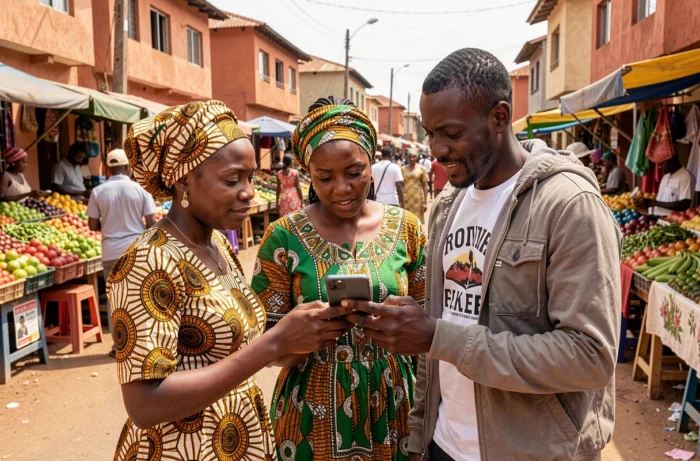
Forced Displacements in the Sahel: UNHCR Figures and Their Implications
Insecurity in Burkina Faso is not limited to armed attacks. It has a cascading effect on civilian populations fleeing their villages. According to the UNHCR (cited by ONU Info in October 2026), nearly four million people were forcibly displaced in Burkina Faso, Mali, and Niger. This figure represents almost double the level recorded in October 2020.
Why such acceleration? The UNHCR points to the combination of several simultaneous factors:
- Persistent insecurity in rural areas, preventing the return of the displaced
- Droughts and irregular rains, destroying the crops of host communities
- Seasonal flooding, worsening the precariousness of informal camps
For Burkinabè people following the news of their country, this topic remains underreported by international media. Francophone news portals devote more space to diplomatic or military issues than to living conditions in displacement areas.
Host Communities Under Pressure
Not all displaced families live in camps. A large portion settles with relatives in medium-sized towns across the country. This prolonged cohabitation puts pressure on local resources: water, arable land, access to healthcare.
Humanitarian aid covers only a fraction of actual needs. Organizations on the ground regularly alert about the underfunding of operations in central Sahel, an area that attracts less attention from donors than other global crises.
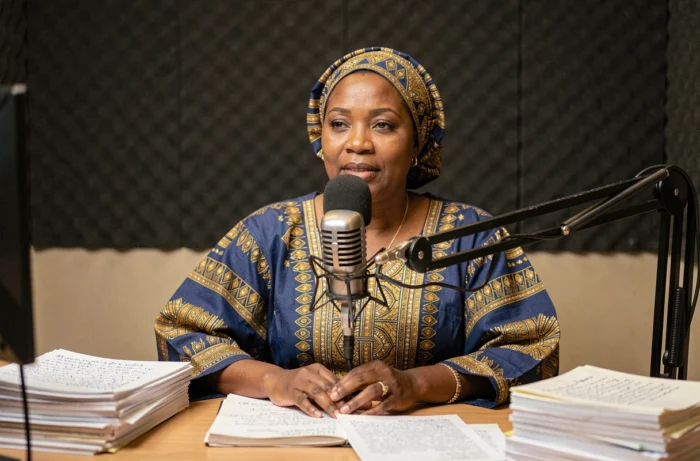
Burkina Faso – United States Relations: The Resumption of Institutional Dialogue
After several months of tensions, Burkinabè and American authorities have reopened a channel of cooperation. A first meeting of a joint working group took place in Ouagadougou on October 8, 2026. This type of bilateral meeting had been suspended in the context of Burkina Faso’s diplomatic realignment, marked by a break with France and a rapprochement with other partners.
What does this signal mean? Washington seeks to maintain a foothold in the Sahel despite the withdrawal of French influence. For Ouagadougou, the challenge is to diversify its partnerships without relying on a single bloc, whether it be the African Union, the states of the Sahel Alliance (AES), or external powers.
An Internal Political Context in Transition
President Ibrahim Traoré has been leading the country since the coup in 2022. Domestic politics remains marked by strict control of public and media space. Administrative reorganizations are ongoing: new regions have been created and governors appointed, reshaping the local power map.
For observers of Burkinabè politics, each appointment or decree reflects a balancing act between security control and civilian governance. The boundary between the two remains blurred, and decisions are often made in the council of ministers, without traditional parliamentary debate.
The news from Burkina Faso cannot be read as a series of isolated events. Economic protectionism, the displacement crisis, and variable geometry diplomacy form a coherent whole, driven by a transitioning state that is trying to regain control over its resources, territory, and alliances. Following these three threads allows for decoding most of the major information published about the country.